
I have been very “in my head” the last two weeks, meaning my mind is processing lots of information. All this serious thinking recently is a stark contrast to what I have been doing this summer. I often assume farming is mostly physical work and neglect to realize the immense amount of mental and emotional work that goes into raising crops and animals, not mention running a small business.
I started this blog to share not only what is happening at the farm, but also why I am choosing this path. Lately, I have been asking myself why I am getting out of my warm bed to milk goats when it’s dark? Why I am letting my fingers get so cold I can’t feel them while driving the tractor? Why I have moved each piece of wood six times now? (As Susan says wood warms you at least a few times before you burn it). I’m sure we’ve all wondered at times why we do what we do when certain moments are challenging. Of course each action is part of the larger picture and has effects, that’s why we do them.

On Saturday October 17 Susan asked me to attend three lectures put on by the Schumacher Society in Stockbridge, MA. I’ll give you a report. Bill McKibben spoke about climate change and the day of action, which was last Saturday Oct. 24. Today the world emits 390 ppm of carbon into the atmosphere and there is a large movement to reduce that number to 350 ppm, or else the arctic will continue melting rapidly. Yes, this is a very scary and controversial topic, so let me pinpoint some interesting ideas relating to farming.
By supporting our local farmers and encouraging more people to grow their own food, not only does this reduce carbon emissions, it also builds stronger communities. McKibben says our reliance on oil has reduced our reliance on our neighbors. This makes me think about how my relationships to people are improving because of our growing awareness of local food. We spend more time cooking together, working in the garden, and stocking up for the winter—and less time driving to the supermarkets alone to buy conveniently pre-made foods to eat in front of the TV.
 The next speaker was Benjamin Barber. He talked about the debate between politicians and scientists over global warming. Some key points that made my mind light up were about the transportation system in the U.S. Americans drive their cars on highways to get most places, rather than take trains or buses because cars are often more economical (cheap fossil fuel), give us more freedom (which we just can’t seem to get enough of even when we end up feeling lonely), and there really isn’t much of an option when public transportation is so limited. The down side is we created suburbia, polluted the environment, and became locked into the oil companies. Barber says that these economic decisions we are making have externalities or collateral damage costs that are very well hidden. If all the true costs were visible, gas would be more like $12 a gallon! He says we need to make wise decisions, which science dictates and politics overlooks.
Another point he made is that capitalism used to be for the people, meaning when there was a need (like manufacturing garden tools), people filled the need and made a profit to support their families by starting business that made the tools. Today, most of our basic ‘needs’ can be met (food, water, shelter, heat) in America. Whether they are met for everyone is another issue. In order to keep capitalism afloat, there has to be a ‘need’. Now we have iPhones! Don’t you really need an iPhone? No, you don’t. But, marketing sure makes you believe you do so that Mac can profit off of your frozen need (something that is not being met so this product is a substitute). Now we are manufacturing NEEDS to sell more unnecessary GOODS for PROFIT! Tricky, tricky.
Barber suggests reconnecting capitalism with democracy, nature, sustainability and real human needs like mosquito nets, renewable energy, and clean water. He says, “Capitalism should serve us, we should not serve capitalism.” In order to begin combating global warming, he calls for restoring democracy, the commonwealth, citizenship, and public thinking. “We can’t support private wealth at the cost of the commonwealth,” he states. I like this guy.

The last speaker of the day (Believe me, sitting all day is tough when you’re not used to it), was Alisa Gravitz from CO-OP America. The title of her speech was “Small is Indeed Beautiful.” She began by labeling herself a ‘troublemaker,’ and indeed came though with her fiery passion for creating a holistic economic system. She believes that measuring our economic system by GDP (Gross Domestic Product) is totally ridiculous and we need a structural change so the system can be more mindful of the environment.
Whoa, system change…those words made me feel hopeless. Sounds impossible, right? Gravitz quickly trashed my negative thoughts by saying, “Humans do extraordinary things every day! System change is easier than is looks.” She outlined five solutions:
1) Thrift and Shift
2) Reduce Energy Use
3) Grow green, local economies
4) Fire the GDP
5) Examine the structure of $
All of these require major value shifts and finding more holistic ways of measuring ‘growth.’
I think I’ll save the report from a lecture I went to last week called, “Closing the Food Gap,” by Mark Winne until next time so you can soak in this information. I don’t want to overwhelm my audience although I have done a really good job of doing just that to myself.
Ok, got that off my chest. See, there are hundreds of reasons why I want to farm and listening to Barber, McKibben, and Gravitz speak reminded me that what I am doing is really important. My actions do matter and they are closely connected with the rest of the world.
Back to working outside in fresh air. No more lectures in churches and synagogues for a while. Whew, felt like I was back in college taking all those notes.



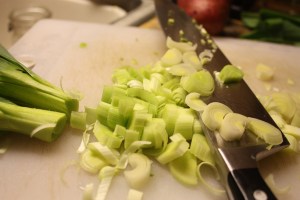

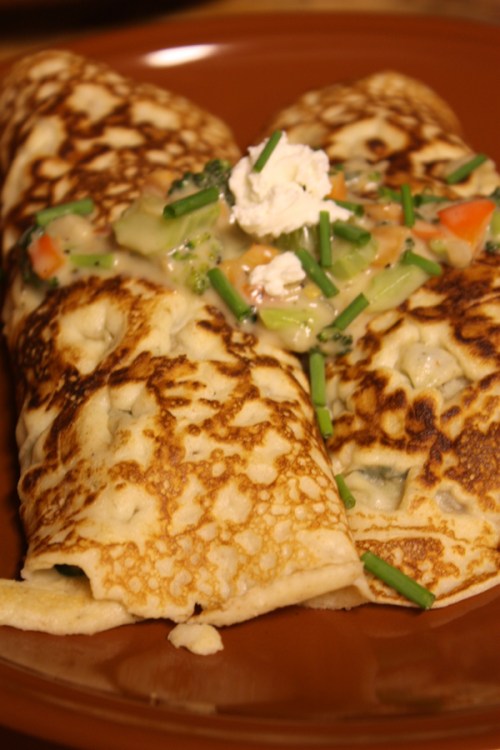
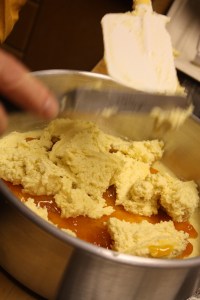




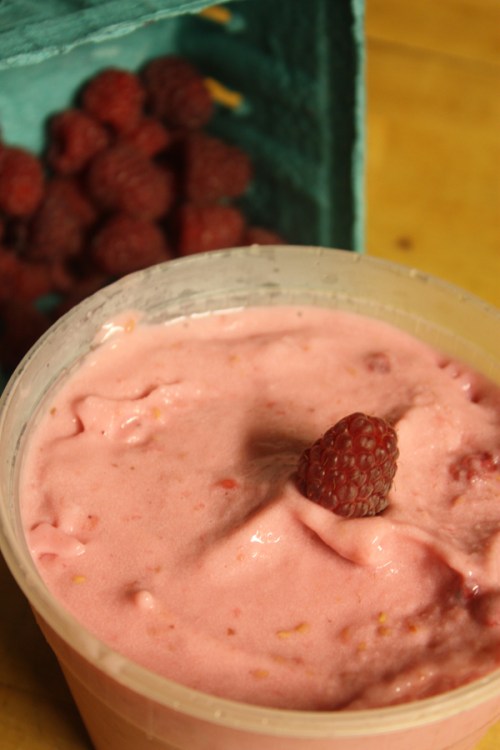 I made pepper and onion relish last night for all those hot dogs and hamburgers I eat….ha. My Grandmother used to make relish, which was delicious, so I tried it out and I am happy with the product. I had to strain it because it had too much liquid. The biggest challenge will be eating all the canned goods I’ve made since they are so beautiful, and really…how many pickled things can I eat in the winter? Well, they do make great gifts!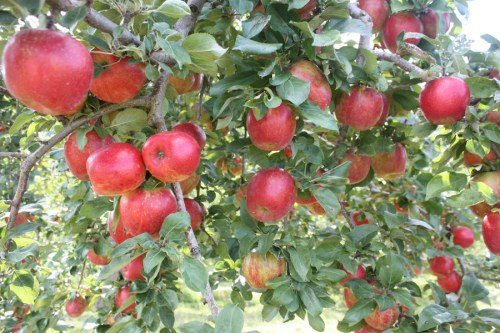
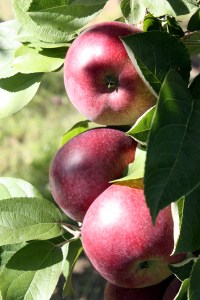
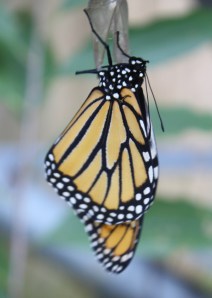
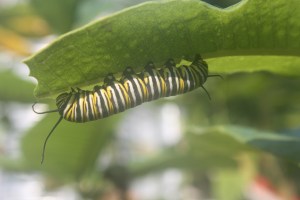

 Phew, I’m not crazy since Amy agrees she spends most of the day thinking about what she’ll eat next, preparing the harvest, and consuming incredible cuisines.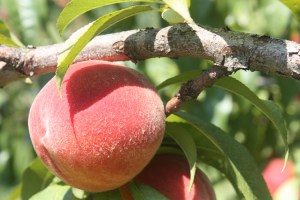



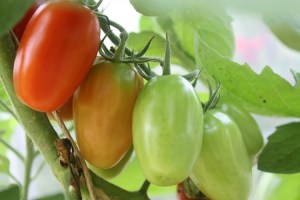 The bad news is yes, we did get the blight on our larger varieties outside so I tore them up, put them in black contractor bags, and brought them to the dump.But, oh, how lovely our tomatoes in the hoop house are! Sure makes you appreciate the small things in life…


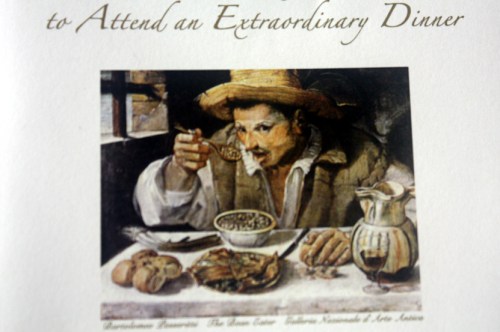
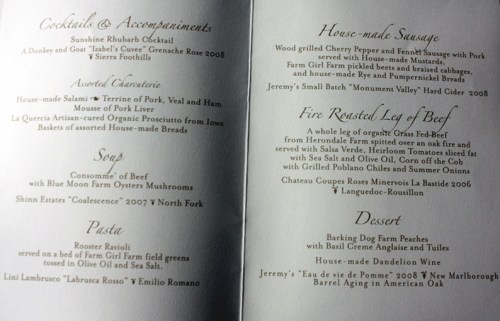
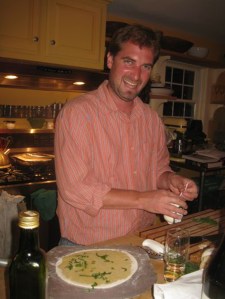
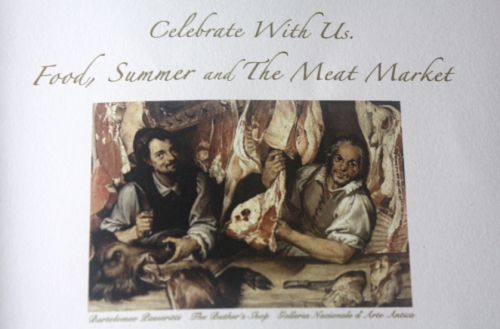
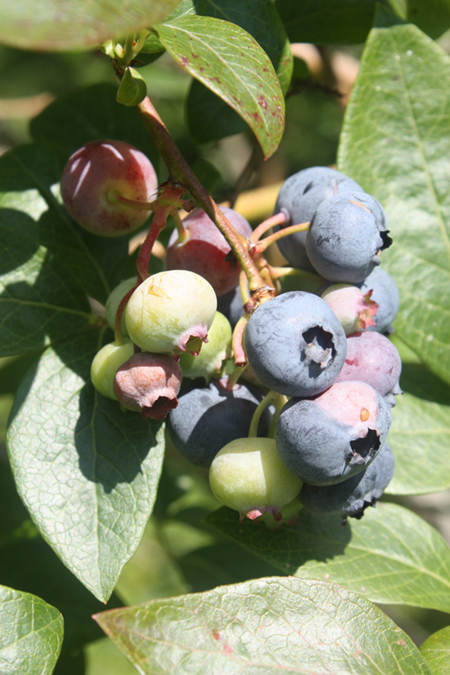 My favorite time of summer has arrived.

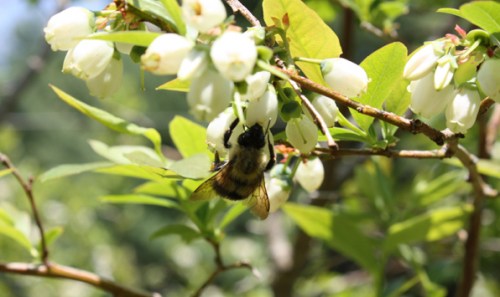

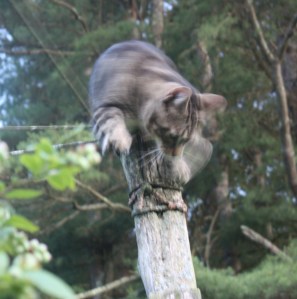


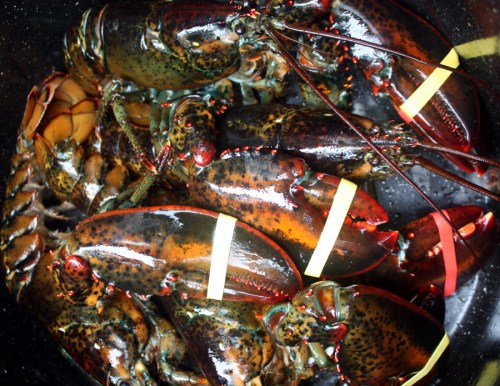

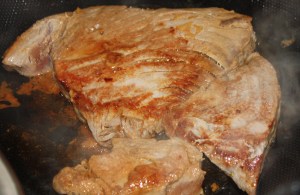 So, we ate sushi grade tuna, freshly delivered to our doorstep lobsters, corn on
 The radio and fire extinguisher were the only elements of security within reach, but I was distracted by the once in a lifetime show and focusing on holding onto my breakfast (which I couldn’t).
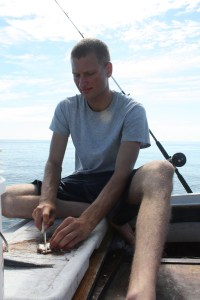
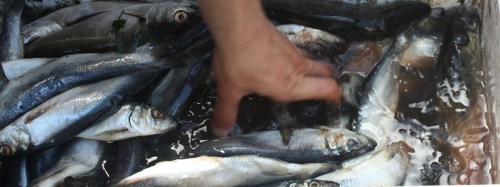
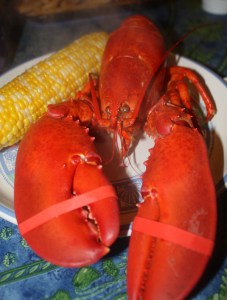


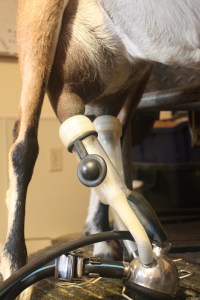


 I am really proud of how much of my food intake is from local sources and grown by Susan and me. It feels hopeful and rewarding to eat so well and know that what I am putting in my body is from a sustainable model. I enjoy being self-sufficient and not entirely depending on a system that exploits people and the environment. It’s a hell of a lot more work to do this when society is constantly pulling me in the opposite direction, but it’s worth every minute.
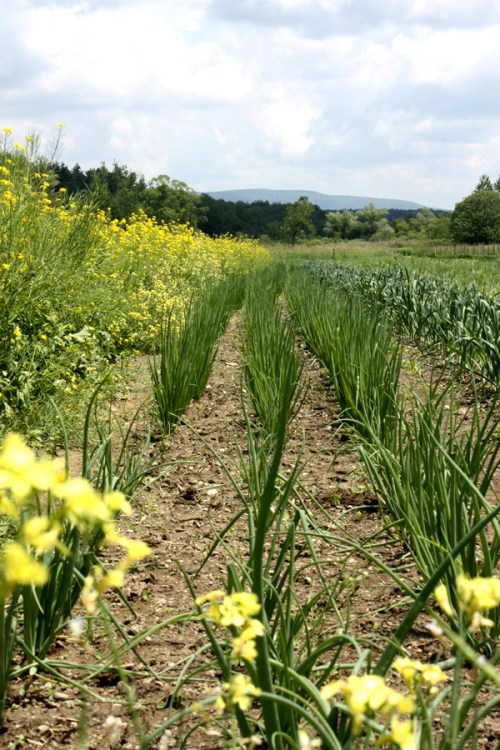 Today I visited a friend at a nearby CSA during her lunch break. She looked exhausted and had dirt smudged on her face and in the cracks of her neck. But, she was full of energy, gave me a big hug, and said, “Let’s go get lunch from the fields!”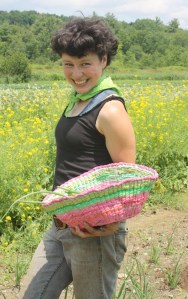


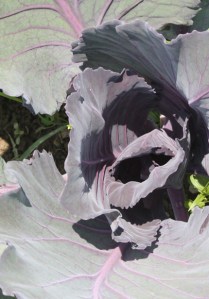
 Farming for Justice